
Key Takeaways
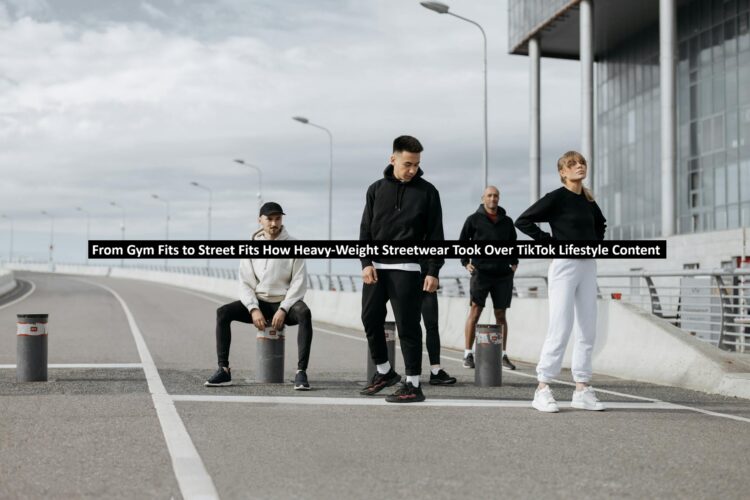
- TikTok blurred the line between gym wear and streetwear. What started as workout fits naturally became all-day outfits.
- Heavy-weight fabrics perform better on video.
- Creators choose behaviour over hype. Clothes that drape, stack, and settle naturally win over flashy designs.
- Boxy, heavy tees replaced fitted silhouettes. Structured sweatpants elevated ‘lazy’ fits.
- Comfort evolved into visual stability. Repeated outfits became a feature, not a flaw.
TikTok has changed how we discover clothing. It changed what clothes needed to do. Somewhere between ‘come to the gym with me’ vlogs and late-night street shots, heavy-weight streetwear quietly took over the feed.
At first glance, it looks accidental. A thick hoodie here. A boxy tee there. But scroll long enough, and a pattern shows up: creators aren’t just wearing heavyweight pieces; they’re building entire identities around them.
Gym fits stopped staying in the gym. Street fits have become more functional. And suddenly, thickness became the flex.
Read: Top Picks for Hosts: Gifts That Bring the Party Home
The Gym Fit Era Was Never Really About The Gym
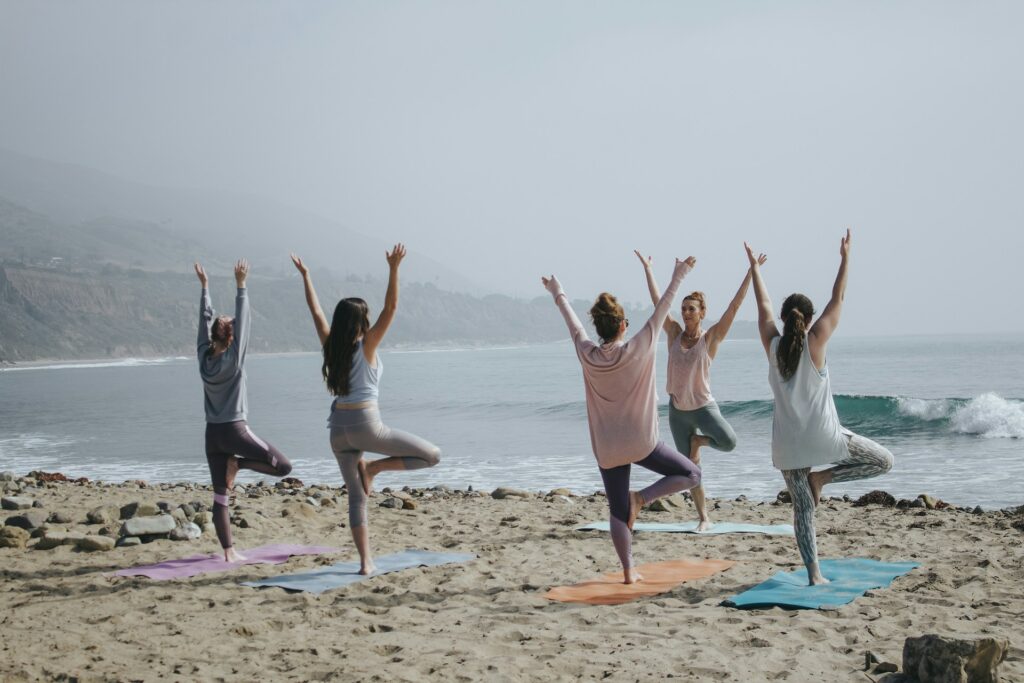
Let’s rewind. Early TikTok-style content was gym-first. Oversized tees, sweats, hoodies. Partly because creators were filming workouts, but mostly because gym clothes were forgiving. You didn’t need to overthink proportions. You can repeat outfits. You could sweat, stretch, and still look put together.
But here’s the thing: most of these creators weren’t changing outfits after the workout. They were grabbing coffee. Running errands. Filming fit checks in parking lots. The gym uniform quietly became everyday wear.
Why Heavy-Weight Just Made Sense for Lifestyle Content
TikTok lifestyle content isn’t static. It’s movement-heavy. Walking shots. POV clips. Jump cuts. Outfit transitions. Light fabrics collapse under all that motion. Heavy ones don’t.
A thick tee holds its boxy shape whether you’re lifting, pacing on the phone, or leaning against a wall. A dense hoodie doesn’t cling when you sit down. It stacks, drapes, and settles naturally. On camera, this reads as effortless confidence. Even when the outfit itself is simple. Creators figured out that heavier pieces didn’t just look better. They behaved better.
The Hoodie Became a Lifestyle Staple
Heavyweight hoodies are probably the biggest crossover success from the gym to the street. Originally worn as warm-up gear, they became the unofficial uniform of TikTok routines. Morning matcha runs. ‘Day in my life’ edits. Late-night city walks. Same hoodie. Different context.
What made them stick wasn’t branding. It was their build. Thicker material gives structure. The hood stays up. The body falls straight. Sleeves stack instead of flapping. Even after hours of wear, it still looks intentional. Creators didn’t need to explain the outfit. The fabric did the talking.
Boxy Tees Replaced ‘Fitted’ Everything
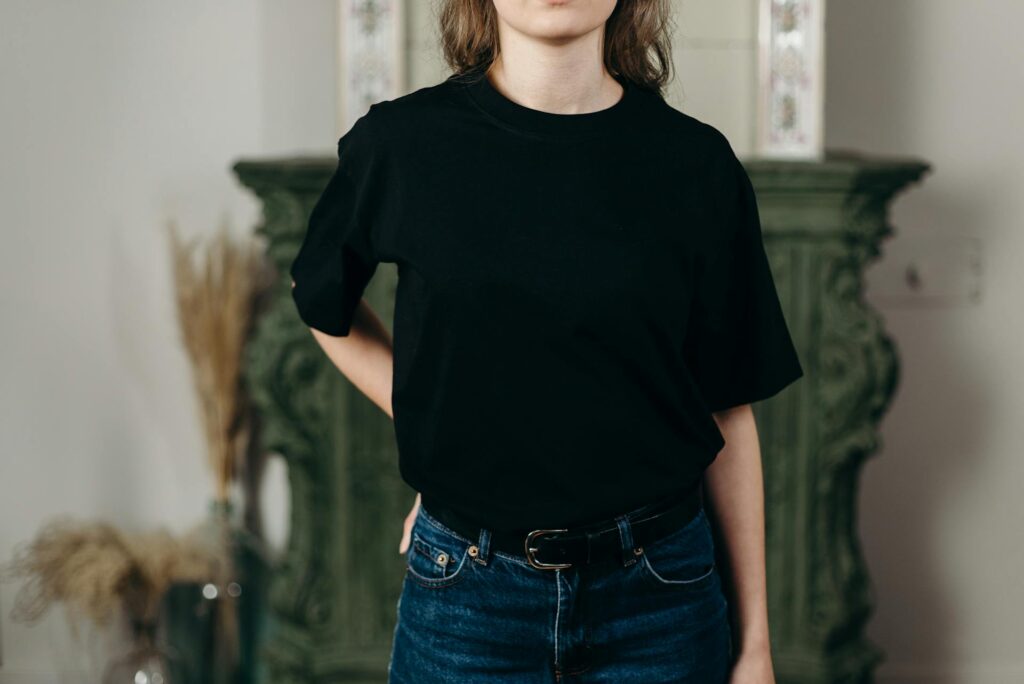
At some point, fitted tees stopped appearing. Heavy-weight boxy tees took over because they hit the sweet spot between gym-ready and street-credible. Wide shoulders. Straight hem. No clinging. No stretching out.
In lifestyle videos, these tees:
- Frame the body without showing too much
- Layer cleanly under hoodies and jackets
- Stay consistent across multiple clips in a day
They also hide repetition. A creator can wear the same tee in five videos and it still feels fresh because the silhouette stays sharp. TikTok rewards consistency. Heavy-weight tees deliver it.
Sweatpants Got Serious
The old gym sweats were soft, thin, and disposable. The new one? Thick, structured, almost tailored. Creators moved toward heavier cotton blends with tighter cuffs and solid waistbands. Pants that could handle a leg day and a night shoot under streetlights.
Why? Because heavy fabrics won’t wrinkle into a mess. They crease into character. In motion-heavy content, structured sweats look deliberate, not lazy. They sit properly on sneakers. They don’t bunch weirdly at the knees. They just work.
TikTok Made ‘Real Wear’ the Aesthetic
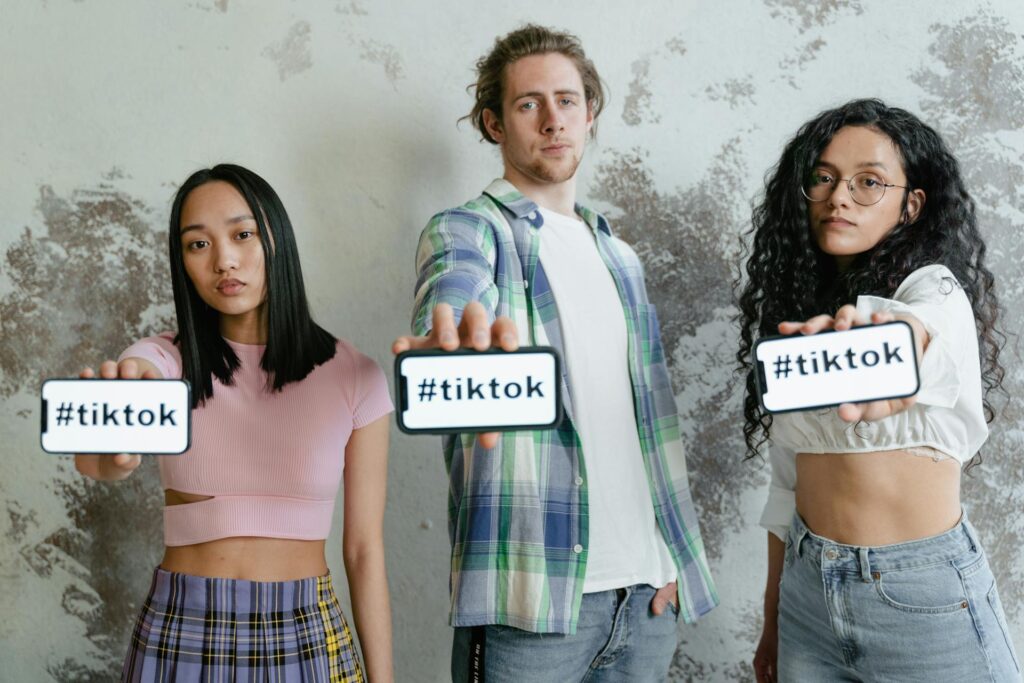
Instagram loves polish. TikTok loves realism. Lifestyle content thrives on clothes that can survive real days. Sweat. Sitting. Walking. Repeating. Heavy-weight streetwear fits that perfectly. It doesn’t demand perfect posture or constant adjusting.
Creators could film:
- Gym sessions
- Grocery runs
- Desk shots
- Night walks
All in one outfit. No costume change. No styling reset. That continuity made heavy-weight streetwear feel authentic, not styled for the camera.
High-Res Video Changed the Rules
TikTok videos may be fast, but they’re sharp. Every seam shows. Every fold matters. Thin fabrics reflect light strangely. They cling, shine, or wrinkle in ways that feel cheap. Heavy-weight fabrics absorb light better. They create a shadow. They add depth.
Even when viewers don’t consciously register it, they feel the difference. A thick hoodie looks expensive without trying. A dense tee looks intentional even when plain. That visual weight keeps people watching.
Comfort Didn’t Disappear, It Evolved
This shift wasn’t about sacrificing comfort. It was about redefining it. Heavy-weight pieces feel grounding. They sit on the body instead of floating around it. There’s a sense of security in that. Especially in content that’s meant to feel intimate and unfiltered. Creators talk about ‘outfits you don’t think about.’ That’s what heavy-weight streetwear became. Clothes you put on once and forget, while still looking solid all day.
From Workout Uniform to Personal Brand
For many creators, heavyweight streetwear became more than style; it became branding. Viewers associate certain silhouettes with certain people. The oversized hoodie guy. The boxy tee girl. The neutral-toned, thick-fabric minimalist.
Heavyweight pieces helped creators build recognisable looks, even without loud logos or constant outfit changes. Consistency builds trust. Fabric helped deliver it.
Gym-to-Street: Not Going Anywhere
This isn’t a phase. It was a response to how people live and film their lives now. As long as content remains movement-driven, high-res, and authentic, heavyweight streetwear will dominate. It’s practical. It’s repeatable. It looks good without effort.
TikTok didn’t just popularize streetwear shirts and heavyweight sweatshirts. It made it necessary. Because when your whole day is content, your clothes need to keep up.