
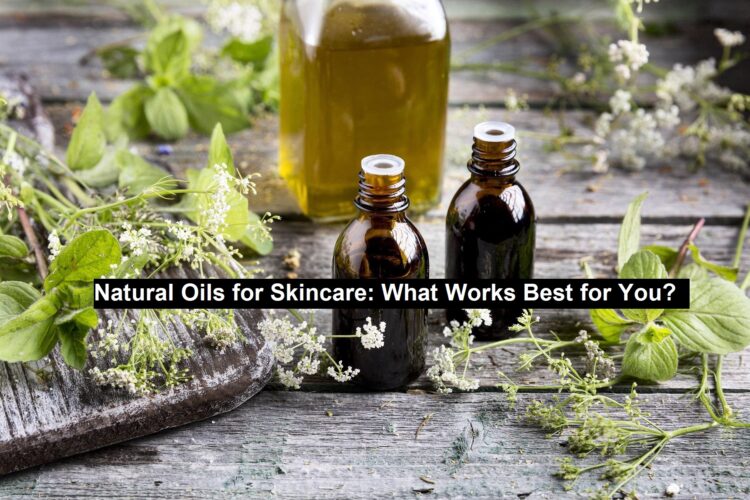
Take a stroll into the skincare aisle of any store right now, and you will see something: there are natural oils everywhere. Oils have swept through the beauty world, from tiny amber glass bottles of pure argan oil to lovely packaged blends with exotic names. And there is a reason. When applied properly, natural oils can moisturize, protect, and revive your skin that synthetic products are not able to do, in some cases.
The thing is that not all oils can suit every kind of skin. The oil your best friend uses may be the one that blocks your pores. It is all about knowing which oils will go well with your skin requirements and which ones to avoid. Let’s understand this in detail.
Why Natural Oils Work for Skin
Natural oils are highly rich in fatty acids, vitamins, antioxidants, and other nutrients that resemble your own skin sebum (natural oil). This renders them very compatible with our skin barrier. Oils can hydrate deep into the skin without stripping or throwing off the skin’s balance, unlike some extreme skincare chemicals.
Some of the benefits include:
- Moisture retention: Oils can seal water, and hence they prevent dryness.
- Delivery of nutrients: They contain a lot of vitamins such as E and A, which enhance the proper functioning of the skin.
- Antioxidant defense: Some oils defend against the damage of free radicals produced by pollution and UV radiation.
- Calming: Many oils can help soothe inflammation and redness.
However, oils are not one-size-fits-all. The key is matching the oil’s composition, especially its fatty acid profile, to your skin type.
Read: 10 Most Comfortable Luxury Heels For Women | Tested & Reviewed
Matching Oils to Your Skin Type

1. For Dry Skin
Dry skin is likely to lack water and oil. You will need oilier, richer oils that have deep hydrating properties and that can replenish the skin barrier.
Best picks:
- Avocado Oil: Rich, extremely moisturizing, and rich in vitamins A, D, and E. Perfect for dry or bumpy areas.
- Marula Oil: Absorbs quickly into the skin but still deeply hydrates it, leaving the skin soft and smooth.
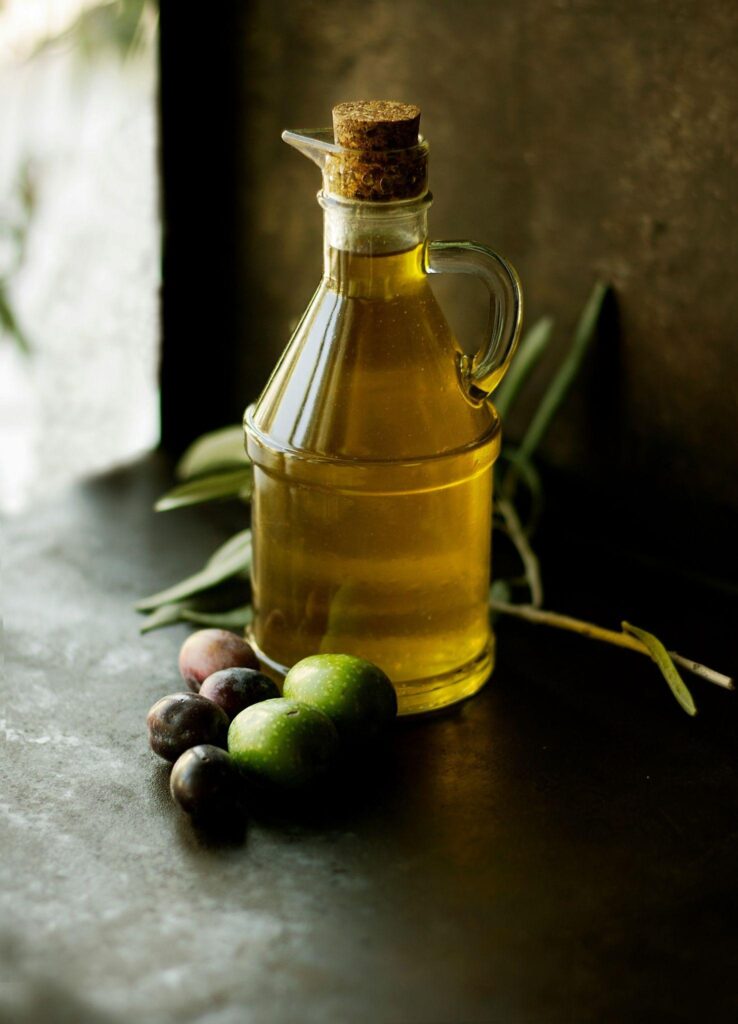
- Olive Oil: This is very good on very dry skin or mature skin, but a bit greasy in the daytime.
Tip: Apply your oil right after a shower or after applying a water-based serum, such as a niacinamide serum, to lock in moisture and target concerns like uneven tone or enlarged pores.
2. For Oily or Acne-Prone Skin
The idea of applying oil to already oily skin may seem counterintuitive, but the correct oils will, in fact, help balance the production of sebum and keep breakouts at bay. The trick is non-comedogenic oils, the less comedogenic ones.
Best picks:
- Jojoba Oil: It is technically a wax ester, but it is very similar to the natural sebum produced by the skin; Jojoba Oil balances sebum production.
- Grapeseed Oil: light and high in linoleic acid, which is usually deficient in acne-prone skin.
- Hemp Seed Oil: Normalizes oil, soothes inflammation, and is extremely low comedogenic.
Tip: Use just a few drops and apply to damp skin to avoid an overly greasy feel.
3. For Combination Skin
Combination skin has both oily and dry areas, so you’ll want a versatile oil that hydrates without overwhelming.
Best picks:
- Argan Oil: Medium-weight, non-greasy, and packed with antioxidants. Works well across different zones of the face.
- Rosehip Oil: High in vitamin C and essential fatty acids, great for brightening and evening skin tone.
Tip: You can also “cocktail” oils, use a lighter oil in the T-zone, and a richer one on dry cheeks.
4. For Sensitive or Irritated Skin
If your skin is prone to redness, itching, or reactions, you need oils that are gentle, soothing, and anti-inflammatory.
Best picks:
- Calendula Oil: Known for its healing properties, it’s great for calming flare-ups.
- Camellia Seed Oil: Lightweight and rich in antioxidants, suitable for very sensitive skin.
- Sweet Almond Oil: Gentle, moisturizing, and full of vitamin E.
Tip: Always patch-test a new oil before applying it to your face.
Cold-Pressed vs. Refined Oils

Whenever possible, choose cold-pressed or unrefined oils. These are extracted without heat, preserving their nutrients and antioxidants. Refined oils are more stable and sometimes cheaper, but they lose some of their skincare benefits in processing.
How to Use Oils in Your Skincare Routine
- As a moisturizer: Apply 2–4 drops directly to damp skin as the last step in your routine.
- Mixed with your moisturizer: Add a drop or two to your cream for a hydration boost.
- As a cleanser: Certain oils (like jojoba or sunflower) can dissolve makeup and sunscreen without stripping skin.
- As a treatment: Use a richer oil at night for intensive repair.
Pro tip: Less is more. Overusing oil can make your skin greasy or cause congestion.
Common Myths About Oils
Myth 1: Oils cause breakouts in everyone.
Fact: Not all oils are pore-clogging, and not all skin reacts the same. Oils that are non-comedogenic, such as hemp seed oil and jojoba, should not break out.
Myth: 2 Oils replace moisturizers.
Reality: Oils trap in hydration; however, they do not give water. Use them over a moisturizing serum or cream to achieve the optimal effect.
Myth 3: All natural oils are safe.
Reality: Not all things natural are soothing; there are irritating or allergic oils.
A Quick Guide to Comedogenic Ratings
The comedogenic rating measures how likely an oil is to clog pores.
- 0–1: Unlikely to clog pores (hemp seed, argan, sunflower).
- 2: Low chance (rosehip, almond).
- 3–5: Higher chance (coconut, wheat germ, cocoa butter).
If you’re acne-prone, stick to oils with a rating of 0–2.
Popular Oils and Their Star Qualities
| Oil | Skin Type | Main Benefits |
| Jojoba | Oily, acne-prone | Balances sebum, light texture |
| Argan | All types | Antioxidant-rich, non-greasy |
| Rosehip | Combination, mature | Brightening improves texture |
| Avocado | Dry, mature | Deeply nourishing, vitamin-rich |
| Hemp Seed | Oily, sensitive | Anti-inflammatory, non-clogging |
| Coconut | Very dry, body use | Locks in moisture, antibacterial |
Safety Tips
- Always patch test before full use.
- Store oils in a cool, dark place to prevent oxidation.
- Stop use if irritation occurs.
- Avoid citrus essential oils directly on skin; they can cause photosensitivity.
Final Thoughts
The right natural oil used, depending on your needs, can be a game-changer in the use of natural oils on your skin. The trick lies in familiarizing yourself with your skin type, the kind of oil, and the way you can use it without going overboard. You might need the luxurious soothing avocado oil in the winter or the light balance of jojoba in the summer, but there is probably an oil that fits you like a glove.
Note: Skincare is a personal thing. Be mindful with experimentation, listen to your skin, and you will discover the oil best suited to you. You can consult a skin expert to find out which oil suits your skin type best.
Author’s Bio:
Disha Sharma is an experienced content writer with a proven track record at Skinerva Clinic. Her work spans various subjects, demonstrating her versatility and ability to adapt her writing style to different audiences.