
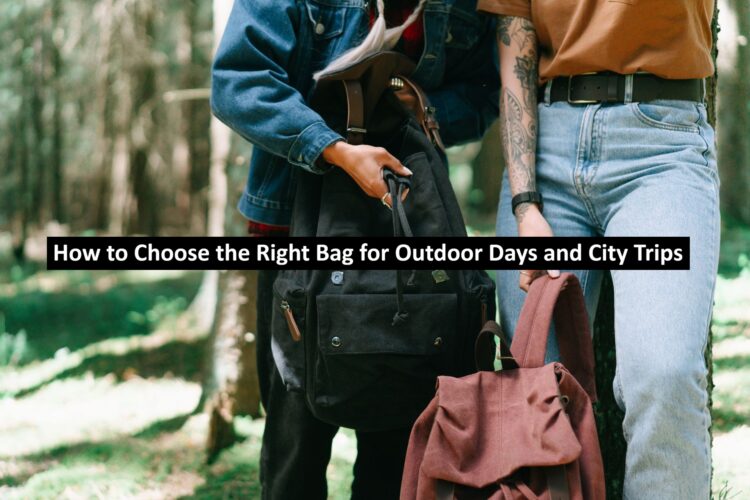
Most people own a bag that’s great for one thing and awkward for everything else. The daypack that feels perfect on a hillside looks oversized at a cafe table, and the sleek tote you carry around town gives your shoulders a hard time as soon as you fill it.
It’s hard when you realize your go-to travel bag only works for specific outings. Choosing the right bag for outdoor days and city trips comes down to a few things, and this guide covers each one so you can find the right bag for any adventure.
1. Start With How You Spend Your Day
Before looking at any bag’s features, think about what your day looks like. Are you out for two hours or ten? Will you be hopping between a bus, a park, and a coffee shop or heading straight for open ground?
Different bags will work for you and your friend who loves their car and drives everywhere. So start by writing down what you carry on a typical day. Keys, phone, wallet, and a water bottle are the basics for most people.
Then add a jacket, snacks, a laptop, or a camera, and the picture changes. That short list will guide almost every decision that follows.
2. Get the Size Right
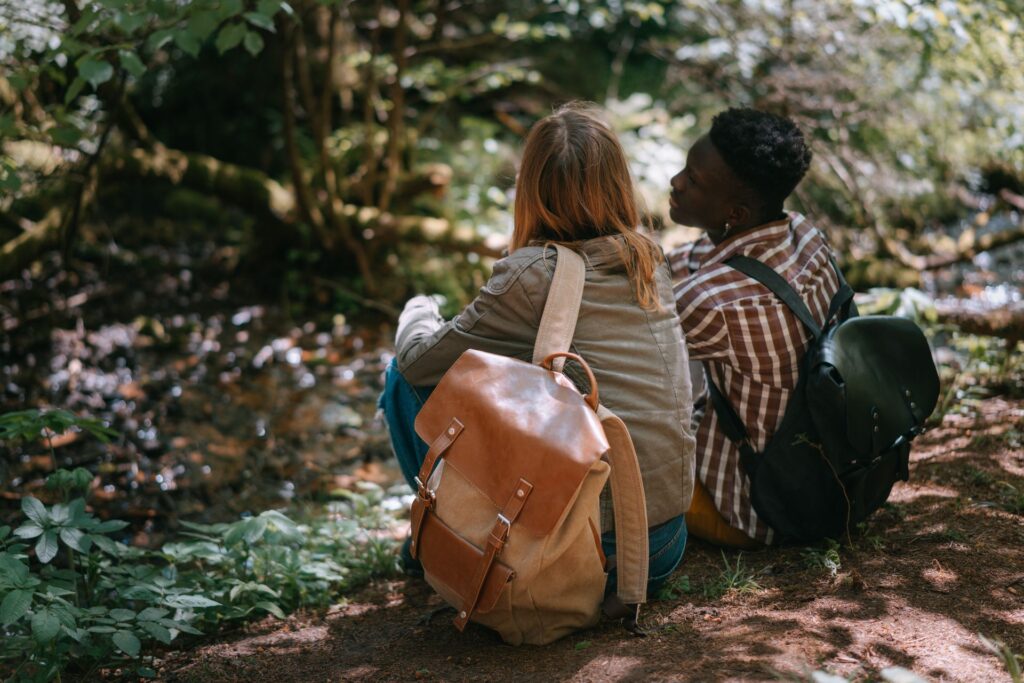
Many people misjudge how big their bag needs to be. If it’s too small, you’re stuffing a jacket into a side pocket. Too big and the bag sags or feels clumsy. Think about finding the Goldilocks zone.
15 to 25 liters is plenty of space for a typical workday. But hiking with extra layers, food, and a few lightweight essentials makes 25 to 35 liters a better fit. Or get a mid-sized pack with compression straps, as there’s plenty of space when you need it, and you can size down when you don’t.
3. Pay Attention to Materials
The fabric determines how long your bag lasts and how it handles bad weather. Heavy nylon and canvas can both take a beating from rocks, branches, and rough pavement without tearing. Lighter polyester is fine for errands but tends to wear thin at the corners over time.
Another factor to consider is how your bag handles rain. A water-resistant coating or a bag that comes with a rain cover keeps your phone and papers dry, no matter what the day brings. Check the zippers and stitching too, because a strong fabric won’t help much if the seams give out after one muddy trip.
4. Comfort for Hours
A bag can feel fine in the store, but poor design might mean neck and back pain sneak up on you at the end of your day. That’s why padded shoulder straps are crucial, as they spread the load so it doesn’t dig in. A sternum strap also stops them from sliding off when you’re climbing or moving fast.
On longer walks, a hip belt shifts weight off your shoulders and onto your hips, which your back will thank you for, although you could tuck it away or skip it entirely in the city. Don’t forget to look for a ventilated back panel if you live somewhere warm, since your back might get sweaty during long commutes.
5. Smart Organization
As cute as totes are, the problem is that you always have to rummage to find what you need. A few well-placed pockets make a huge difference when you’re tired after a long day and hunting for your keys at a locked door.
Side sleeves are wonderful for water bottles, portable chargers, or umbrellas, and a top pocket keeps small items within reach. Most bags these days also come with internal sleeves to protect your laptop or tablet on the go.
External attachment points are handy too. Webbing loops and lash straps let you clip on a rolled-up jacket, a sleeping pad, or trekking poles without having to cram them inside.
6. Is It Versa-Style?

Technical hiking packs in bright colors are tactical in the mountains but can look out of place when you’re finishing a work block at a cafe. On the other hand, a fashion backpack rarely survives a proper day outside.
The sweet spot is a rugged yet understated design. Earthy tones like olive, tan, black, and grey blend into city settings and still hide dirt well. Military-inspired packs are a good example: they’re built for hard use, age well, and fit just as easily with casual streetwear as with hiking gear.
Start with what you carry, settle on a size, then weigh up fabric, comfort, and pockets until one option clearly fits the bill. But don’t compromise on style either, because there’s no point in buying a bag that’s functional if you won’t want to carry it every day.
Something tough enough to weather the outdoors is complemented by design that holds up around town, and an ALICE pack backpack is worth a look for that. Originally built for soldiers in the field, these bags are built to last. They also offer plenty of room for your stuff and a classic design that’s versatile for weekend hikes and short trips.